Wedding Money Regrets: What UK Couples Cut the Second Time Around

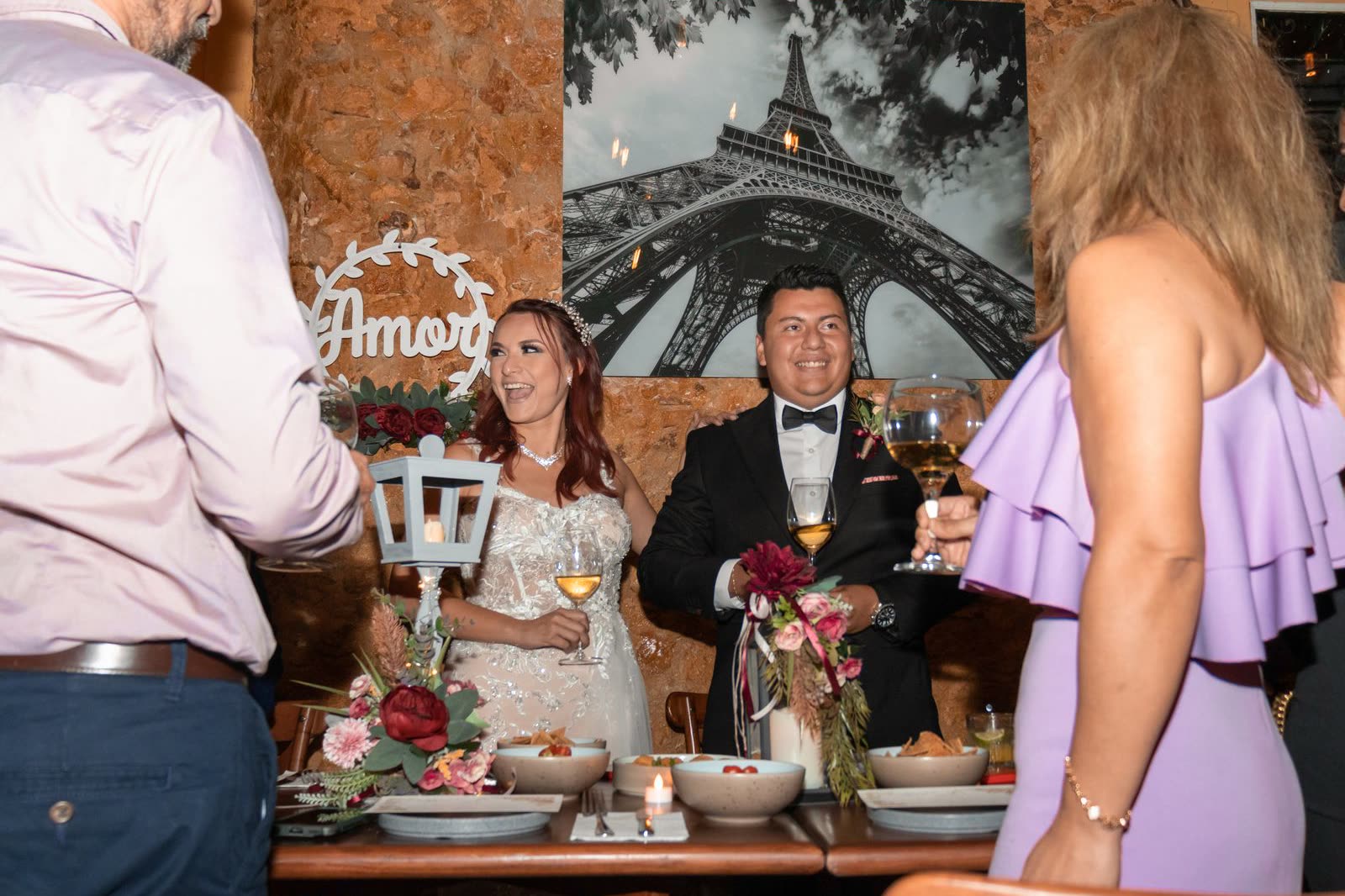
UK couples who have married twice spent 16% less on their second wedding, and the biggest cuts were in four places: the venue, décor and flowers, catering and outfits. Six in ten had money regrets about the first one. The most common was paying for things they didn’t need. They also regretted paying for guests they are no longer in touch with, and not setting a clear budget at the start.
Those figures come from people who have planned a wedding twice, so treat them as hindsight from experienced couples rather than a picture of a typical first wedding. This guide sets them against the other UK surveys and ends with a table of what to spend on, what to cut and what to check before you book anything.
What couples married twice actually spent
The source is Monzo’s “The Cost of Love: Round 2”, published in February 2026: a Censuswide poll of 2,001 UK adults married more than once, carried out in January 2026, alongside about 84,000 Monzo savings pots labelled “Wedding”.
| Measure | First wedding | Second wedding |
|---|---|---|
| Average spend | £10,547 | £8,861 |
| Went over budget | 27% | 11% |
| Main source of money | 54% relied on contributions, mostly parents | 58% paid for it themselves |
| Saved jointly as a couple | 19% | 37% |
This is not what an average UK wedding costs. Everyone in the sample has been married at least twice, so they skew older, and many first weddings in it took place years or decades ago at older prices. For a current figure, Bridebook’s 2026 UK Wedding Report, from 7,000 couples, puts the average at £20,604. Legal & General’s 2024 survey of more than 2,000 married or engaged people found an average budget of £8,997, which shows how much the answer depends on who you ask and whether they are counting a budget or a final bill.
What the Monzo numbers are good for is the comparison. The same people, planning twice, spent less and went over budget far less often the second time. That gap is what they learned.
Where the money came out second time
Monzo reports how much less went on each category at the second wedding. Bridebook’s averages are alongside for scale, so you can see what a percentage cut means in pounds. They come from different surveys, so read them side by side rather than multiplying one by the other.
| Category | Spent less second time (Monzo) | Average 2026 spend (Bridebook) |
|---|---|---|
| Venue | about a quarter | £6,040, excluding catering |
| Décor and flowers | 22% | £1,187 on the florist |
| Food and catering | 21% | £5,406 for the wedding breakfast, £2,002 for evening food |
| Outfits | 20% | £1,532 for the dress, £859 for menswear |
The venue tops the list because it is the largest line, and because it sets the price of almost everything after it. A venue with an in-house caterer, a minimum spend or a list of approved suppliers can fix much of the catering bill before you’ve seen a menu. Monzo doesn’t say why its couples spent less on the venue, but a smaller guest list is the usual route to a smaller room, which would make it a guest-list decision showing up in the venue line.
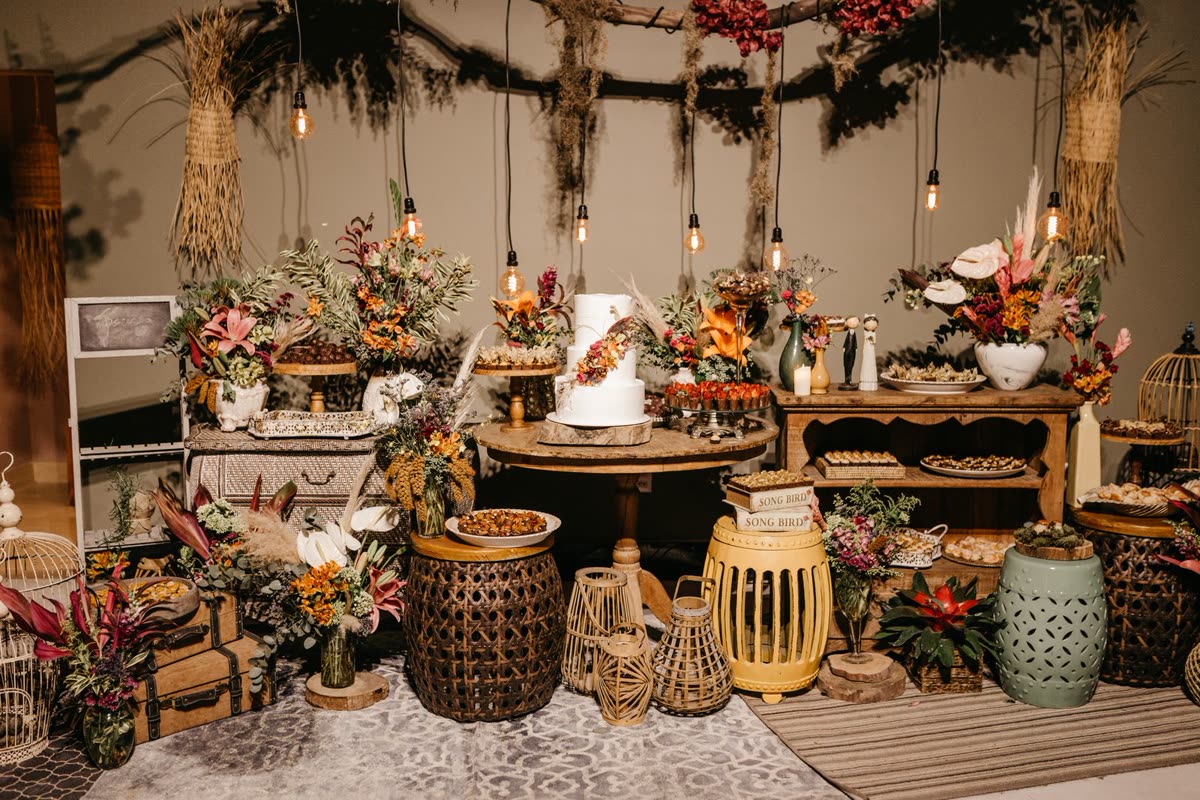
Cutting décor and flowers is consistent with what people say makes a wedding. In Thortful’s 2025 wedding report, a poll of 500 people married in the past ten years, 65% named good food and 64% a lively, well-planned reception as what made a wedding. Bold décor was named by 26%. A quarter of Monzo’s second-time couples (26%) made their own decorations.
The five things they dropped altogether
Over 85% of Monzo’s second-time couples skipped at least one tradition to save money. The five most often dropped were the videographer, a free bar, a gift list, a band or musician, and favours.
Treat that list as a finding about this group, not as advice for yours. A couple on their second wedding has usually done the gift list once, may already own a home together, and is often hosting a smaller, older crowd. Each cut makes sense for different reasons:
| Dropped | Why it suited a second wedding | Before you copy it |
|---|---|---|
| Videographer | Average £1,514 (Bridebook). Many had a video of the first one | Of the five, it’s the hardest to add back afterwards. Decide on purpose, not by default |
| Free bar | Usually the most open-ended line on the invoice | A capped tab, or wine with the meal and a cash bar after, are middle routes |
| Gift list | A household already set up | A honeymoon or charity fund replaces it if guests will want to give something |
| Band or musician | Reception music averages £1,061 (Bridebook) | 64% in the Thortful poll named a lively reception as what makes a wedding. A DJ or a well-built playlist is a cheaper way to keep the evening going |
| Favours | Small per head, but they add up | One of the easier cuts if they don’t mean much to you |
If you keep music but drop the band, the work moves to the playlist. Our guide to building a wedding playlist guests dance to covers what a DJ needs from you and when.
The regret nobody prices: guests you’ve lost touch with
Alongside unneeded extras, Monzo’s couples regretted paying for guests they no longer see. It is the only regret on the list that isn’t about a supplier, and the only one where the money goes on people.
Bridebook’s report works out an average of £278 per guest, which is the whole wedding divided by the headcount. One extra name costs less than that, because the venue and the photographer don’t change, but it still pulls in a meal, drinks, a chair and often a bigger room. Bridebook’s own bands show the effect: its average 50-guest wedding cost £15,162 and its average 70-guest wedding £21,791. Those are different weddings that differ in other ways too, but the direction is plain, and its report calls guest count one of the biggest factors in wedding spend.
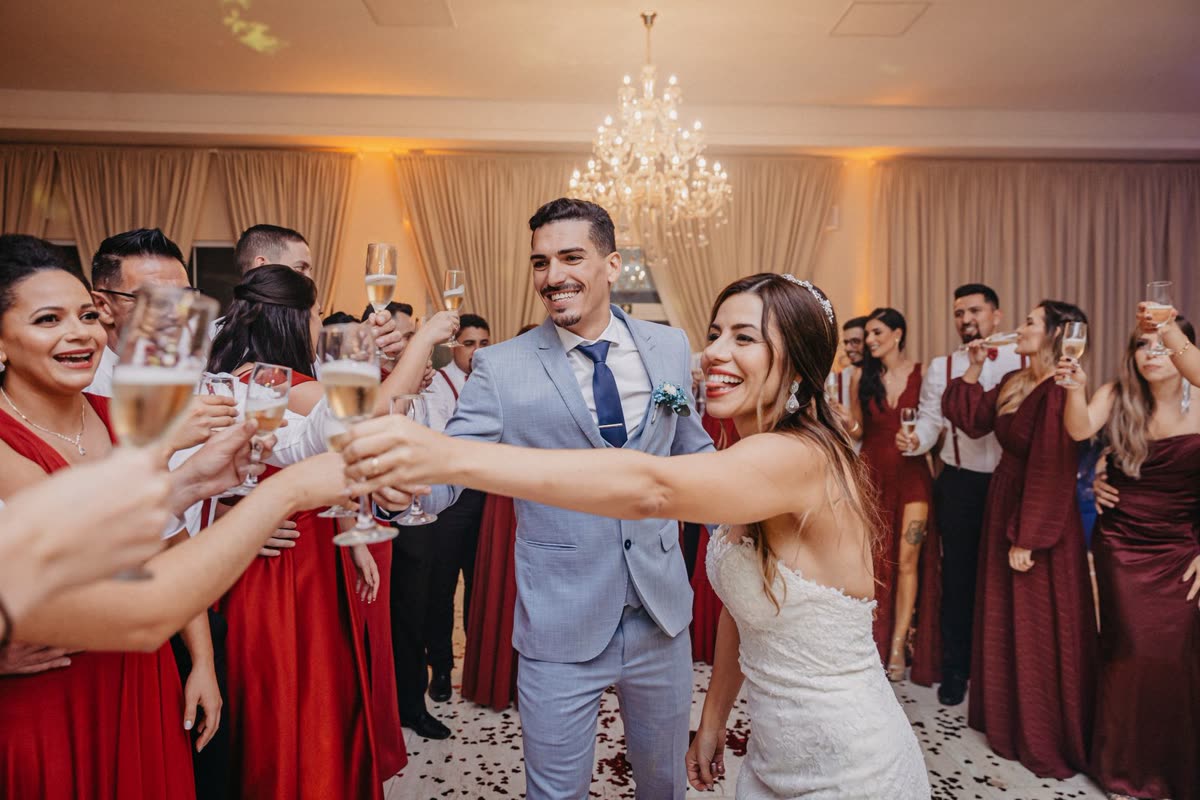
The pressure runs the other way. In the Thortful poll, 36% felt pressure to please everyone, 30% found the guest list stressful, and 31% wished they hadn’t let other people influence their plans. Monzo’s numbers may hint at one source of that pressure: 54% of first weddings relied on contributions, and money from parents can arrive with names attached.
Some tests that help, before invitations go out:
- Would you have them to dinner this year? If not, the wedding breakfast is an expensive way to start.
- Is the name yours, or someone else’s? Agree up front how many places each contributing family gets, rather than negotiating name by name.
- Day or evening? An evening invitation costs a share of the evening food, not a three-course meal and a seat at the speeches. The UK order of the day shows where evening guests join and what they need to be told.
- Plus-ones by rule, not by person. “Partners of five years or married” is easier to hold to than a dozen individual calls.
Get the list settled before you book anything that is priced per head. The seating chart guide has a section on cleaning the guest list before you build a plan from it, and the same tidy list is what a caterer quotes from.
Set the budget before you see a venue
Not setting a clear budget was the other regret Monzo’s couples named. The second time round, 11% went over budget against 27% the first time, and twice as many saved jointly (37% against 19%). The survey doesn’t link the two, but saving into one pot does mean agreeing a number early.
The order matters more than the method:
- Agree a total, including who is giving what. Contributions with conditions are better known before the venue visit than after.
- Hold back 10 to 15% as contingency. That is the range Thortful’s report recommends. In our view it should absorb things like a service charge, VAT on a quote given without it, and the late additions every wedding has.
- Fix the guest number next, because it sets the size of the venue and the catering.
- Then book the venue, and only then the suppliers who depend on it.
Viewing venues before steps one to three is how a budget gets set by the room you fell for. If you want a worked line-by-line method for building a budget from a guest count, our birthday party budget guide walks through one with UK prices; the arithmetic is the same at a larger scale.
Who pays changes what you regret
Borrowing is less common than the headlines suggest. In the Thortful poll, 53% took on no wedding debt, and those who borrowed owed £3,917 on average. Legal & General found 16% took out loans, rising to 38% among 16 to 24 year olds, and 63% had financial help from family or friends.
Help from family is generous, and it can also be where the guest list stops being only yours. Of Legal & General’s respondents with regrets, 43% said they would rather have put the money towards a property. That is a regret about the trade-off, not the wedding: decide what the money would otherwise be for before you decide what the day costs.
Spend, cut or check: the decision table
Each row pairs a finding from the surveys above with what to do about it. None of the surveys asked the same questions, so each rule credits its own source.
| Category | What the evidence says | Rule of thumb |
|---|---|---|
| Guest list | A named regret (Monzo); 36% felt pressure to please everyone (Thortful) | Settle it first, by rule, before anything priced per head |
| Budget | Far fewer went over budget second time (Monzo) | Agree a total and a 10 to 15% contingency before viewing venues |
| Venue | Cut about 25% second time (Monzo); £6,040 average (Bridebook) | Size it to the list, not the other way round |
| Food | Top of what makes a wedding (Thortful) | Spend here. Cut courses or canapés before cutting quality |
| Music and the evening | A close second (Thortful); the band is often dropped (Monzo) | Keep a good DJ or playlist even if the band goes |
| Décor and flowers | Cut 22% (Monzo); 26% named bold décor (Thortful) | Cut first. Reuse ceremony flowers on the tables |
| Outfits | Cut 20% (Monzo) | Hire, buy second-hand or set a ceiling early |
| Videographer | Often dropped second time (Monzo) | Decide on purpose. It’s the hardest cut to add back |
| Favours and gift list | Often dropped second time (Monzo) | Easy cuts if they don’t mean much to you |
Quick answers
What do couples regret spending money on at their wedding? In Monzo’s 2026 poll of people married twice, the top regret was spending on things they didn’t need. Paying for guests they’ve lost touch with and not setting a budget were also named.
How much does a second wedding cost in the UK? Monzo’s respondents spent £8,861 on average on their second wedding, 16% less than the £10,547 they spent on their first.
What is the average cost of a UK wedding in 2026? £20,604, according to Bridebook’s 2026 UK Wedding Report of 7,000 couples. Monzo’s lower figures come from an older group and include weddings from years ago.
What do people cut from a second wedding? The videographer, a free bar, the gift list, a band or musician, and favours were the most common cuts in Monzo’s poll.
What is the cheapest way to cut a wedding budget? In our view, the guest list. Bridebook puts the average at £278 per guest, and a smaller number can mean a smaller venue too.
How much contingency should a wedding budget have? Thortful’s 2025 wedding report recommends 10 to 15% of the total.